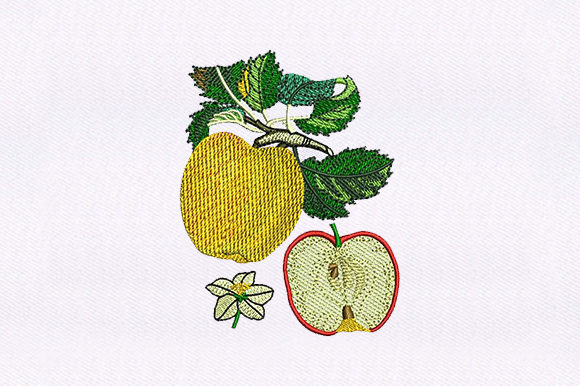
Apple and Half Apple Embroidery: A Designer's Practical Review
When browsing Creative Fabrica embroidery collections for a new project, the Apple and Half Apple design immediately caught my eye. As an embroidery designer who creates handmade products for customers, my first question about any digital embroidery file is always this: will it translate beautifully and reliably into a real, physical item?
First Impressions: Visual Mood and Project Fit
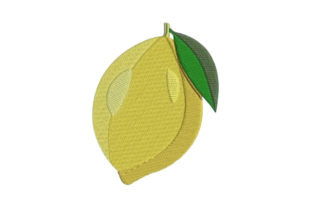
The Apple and Half Apple design presents a clean, illustrative style. It feels friendly and somewhat vintage, without being overly cartoonish. The level of detail suggests it's meant to be a focal point rather than a tiny accent. This tells me it naturally fits projects where the embroidery is the star of the show. I envisioned it on a kitchen towel, the center of a pillow cover, or prominently placed on a simple tote bag. Its Food category theme is obvious, but its decorative appeal is broader—it evokes rustic charm, wholesome simplicity, and could easily work in a nursery or as a personalized gift for a gardener or home cook.
Considering Real-World Embroidery Performance
Before committing a design to a customer's order, I think through its performance on various surfaces and fabrics. For Apple and Half Apple, several applications come to mind.
Custom Apparel and Home Decor
For sweatshirts or aprons, a design with balanced density is key. Too dense, and it becomes stiff on flexible fabric; too sparse, it lacks presence. This design appears to have a mix of fill stitch areas for the apple bodies and likely satin stitch or running stitch for details. That combination often works well on mid-weight fabrics like cotton or canvas. On a baby blanket or lightweight kitchen towel, careful stabilizer choice would be essential to prevent puckering, especially around the presumably denser apple fills.
Caps, Patches, and Smaller Items
The design's size, which you must verify on the Creative Fabrica product page, dictates its use on curved surfaces like caps or as a standalone embroidered patch. If it's sized appropriately for a smaller hoop, the half-apple detail could become a charming tiny patch for a jacket or bag. However, any tiny lettering or extremely small elements within the design would need scrutiny; on a cap's curved seam, they might not stitch cleanly. Always test on scrap fabric first, mimicking the final fabric's texture and stretch.
Durability and Frequent Wash Considerations
For items like aprons or kitchen towels destined for frequent washing, stitch integrity matters. Designs with very long satin stitches or isolated single stitches can be more vulnerable to snags. A robust fill stitch area, which this apple shape likely uses, generally holds up better. I would recommend reviewing the stitch density in your software and possibly adjusting if it seems excessively dense for thin terry cloth or linen.
Impact on Product Value and Customer Appeal
Using a high-quality embroidery file like Apple and Half Apple directly affects your finished product's perceived value.
Handmade Presentation and Visual Appeal
A clean, detailed design elevates a simple item. This apple motif could transform a basic tea towel into a desirable handmade product for an Etsy listing or craft fair. Its illustrative clarity makes it photograph well, which is crucial for product photography and customer engagement. For boutique merchandise or brand consistency, a series of similar illustrative food designs could create a cohesive line.
Giftability and Buyer Trust
Details matter to customers. A design with crisp edges and good coverage looks professional and cared-for, building buyer trust. The wholesome theme of Apple and Half Apple makes it inherently giftable—think birthday gifts for bakers, housewarming presents, or nursery decor. A well-embroidered item using this design feels intentional and special, not mass-produced.
Essential Practical Notes Before You Stitch
My final advice before using any design, including this one, revolves around preparation and verification.
- Always test on scrap fabric identical to your final project fabric. This reveals how it handles textured fabric, stretchy fabric, or dark fabric.
- Check thread color contrast in your software preview. The apple's effectiveness will depend on your chosen colors against your background fabric.
- Review stitch density in your embroidery software. Extremely dense areas on delicate fabrics can cause issues.
- Confirm hoop size required from the product details. Never assume; mismatched hoop and design size ruin projects.
- Create light and dark fabric mockups digitally to preview final appearance. This helps plan thread colors.
- Use the proper stabilizer for your specific fabric and project type. A kitchen towel needs a different stabilizer than a sweatshirt.
- After your test stitch, inspect small details carefully. Look for jumps, tiny gaps, or elements that may not have stitched as cleanly as hoped.
The Crucial Step: Checking Product Details and Licensing
This is paramount for commercial embroidery and selling finished products. The provided description is brief. Therefore, you must visit the Apple and Half Apple product page on Creative Fabrica to confirm essential details yourself before starting a customer order. Verify:
- The specific machine embroidery design file formats included (DST, PES, etc.) and their compatibility with your machine.
- The actual design dimensions and suggested hoop size.
- The license terms for commercial use. Most Creative Fabrica embroidery files allow for finished product sales, but you should always read the license to understand any limitations.
- Any included notes on stitch count or recommended thread colors.
Only after confirming these facts can you confidently proceed. Using a design without this knowledge risks technical failures and potential licensing issues for your business.
Final Thoughts for Creative Entrepreneurs
The Apple and Half Apple embroidery design has a strong visual character that suits a range of rustic, home-focused, and giftable projects. Its potential to enhance custom apparel, home decor, and handmade gifts is clear. However, its real-world success depends entirely on your due diligence: testing it on your specific materials, verifying its technical details, and understanding its license for your commercial embroidery work. Approach it not just as a digital file, but as a component that will become part of a physical product you or your customer will hold, use, and hopefully cherish. That perspective is what separates a generic product download from a valuable design asset in your creative workflow.