A Practical Designer’s Review of the Celtic Knot Symbol Embroidery Design
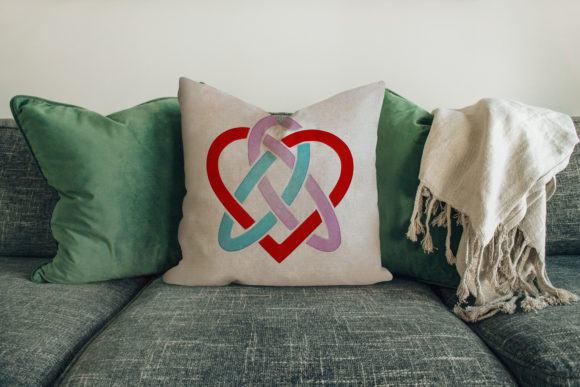
When you’re scrolling through designs for a project, a Celtic knot motif is always a tempting click. This particular Celtic Knot, Celtic Symbol embroidery design is one I've examined closely before committing it to thread and fabric. My first impression is that it’s a classic, timeless piece. It doesn't scream modern or rustic; it sits in that elegant middle ground. The knot’s interlaced lines suggest continuity and connection, a mood that works beautifully for gifts or items meant to feel special and enduring. The layout is centered and balanced, making it a straightforward anchor for a project. The detail level appears thoughtful—not so sparse that it looks cheap, but not overwhelmingly dense that it becomes a stitching challenge on everyday fabrics.
Where This Celtic Symbol Finds Its True Home
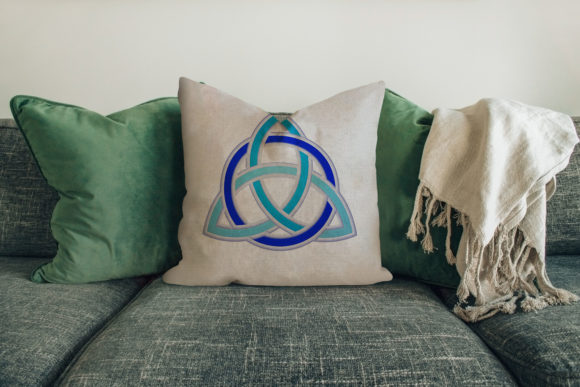
I immediately pictured this design on a premium cotton tote bag or a linen pillow cover. In my real-world scenario, I was preparing a set of custom embroidered pillow covers for a small boutique client wanting a “heritage feel.” This Celtic knot symbol was a prime candidate. It’s the kind of motif that elevates a simple household item into a statement piece. For small business merchandise like aprons, tea towels, or blanket corners, it adds perceived value without being overly thematic. It’s equally strong on custom apparel like a high-quality sweatshirt or a denim jacket—positions where a standalone symbol can shine. I’d avoid putting it on overly busy garments; it deserves a clean canvas.
For personalized gifts—think wedding presents, anniversary keepsakes, or even a thoughtful birthday touch on a kitchen towel—the design carries meaning. It feels handcrafted yet professional. In my experience, customers react well to these kinds of enduring symbols on finished products; they recognize the craftsmanship and often associate it with quality. For an Etsy seller or craft fair vendor, this design can be a versatile asset for creating a cohesive line of handmade products across different categories.
Performance on Real Fabrics and Products
Now, let’s talk about how this machine embroidery design performs in the real world. The fact that it comes in six sizes is a major practical advantage. You can scale it for a delicate placement on a baby’s romper or blow it up for a bold statement on a throw pillow. On tote bags and caps, the design’s continuous lines should translate well into clean satin stitches and fill stitches, provided your stabilizer choice is correct. On textured fabrics like sweaters or waffle-weave towels, you’ll want to test first; the intricate knot paths could get lost if the fabric texture fights the stitch definition.
Areas for careful use? Small hoop sizes on very detailed versions. If you’re using the smallest file on a delicate fabric like a thin t-shirt, you need to be mindful of stitch density to prevent puckering. Similarly, on stretchy fabric or dark backgrounds, thread color contrast and stabilizer are everything. A design like this on a black cap needs bright, crisp thread and possibly a topping stabilizer to keep those lines sharp. The corners and overlaps in the knot are the points to inspect after a test run—ensure there’s no thread buildup that distorts the shape.
The Visual Impact on Your Business and Craft
Using a design like this isn’ just about stitching; it’s about visual appeal and customer trust. A well-embroidered Celtic knot on a product conveys care. It doesn’t look hastily chosen; it looks considered. This boosts the handmade presentation and, frankly, the price point you can justify. For brand consistency, if your shop leans into natural, timeless, or symbolic themes, this embroidery file becomes a reliable part of your design assets. Its giftability is high, and it has instant recognition as a beautiful, classic pattern.
From a commercial perspective, it’s suitable for a wide range of embroidery projects. Whether you’re creating embroidered patches for sale or decorating boutique branding items like staff aprons, it holds up. It works well in printable mockups for your digital shop, as the shape is clear and impactful even in a flat image. This directly affects buyer engagement in online listings.
A Designer’s Essential Pre-Stitch Checklist
Before I hoop any fabric for a client project with this Celtic symbol, here’s my practical run-through:
- Always, always test the design on scrap fabric first. Use a fabric similar to your final product.
- Check thread color contrast against your background. Run a mental check: will a gold thread on cream linen look richer than white on cream?
- Review stitch density by looking at the sewn test piece. Are any areas too thick?
- Confirm hoop size compatibility with both your machine and the physical product. A large pillow might need a bigger hoop than a cap.
- Inspect the sewn test for small details—are all the knot intersections clear?
- Create black and white mockups to see the form without color distraction.
- Compare how it would look on light and dark fabric backgrounds—sometimes a design plays differently.
- Plan your stabilizer strategy based on the fabric type.
- Crucially, since this is a digital embroidery file, check whether the design works for both personal and commercial projects. Verify the licensing terms before selling any finished product or using it in your craft business. The product description doesn’t specify this, so it’s a step you must not skip.
This Celtic Knot, Celtic Symbol design, from the House category of Embroidery designs, is a robust, versatile choice. Its strength lies in its timeless aesthetic and scalable formats. It won’t be the right fit for every single project—it might be too formal for playful baby clothes or too simple for someone seeking extreme detail—but for the vast middle ground of handmade goods, personalized decor, and quality apparel, it’s a design you can trust to stitch up cleanly and sell convincingly. Approach it with a prepared machine and a thoughtful product plan, and it will reward your work.