A Designer's Practical Review of the Girlfriends Wine Embroidery Design
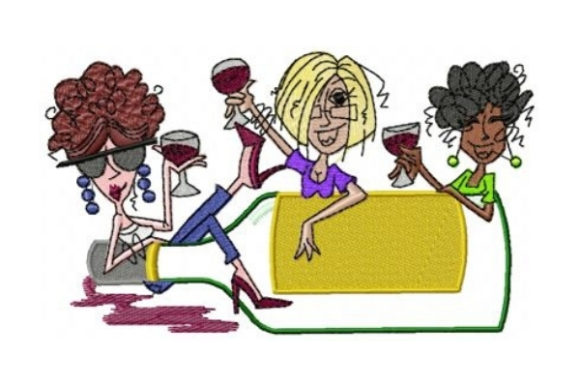
When I first opened the Girlfriends Wine embroidery design, my immediate thought was: this is a mood. It’s not just a graphic; it’s a vibe. The friendly, casual typography paired with a classic wine motif creates an instant sense of warmth and shared enjoyment. It feels celebratory, lighthearted, and perfectly tailored for a specific, passionate audience. From a designer’s perspective, the layout is balanced, the detail level is thoughtful—not overly dense but with enough character to feel substantial—and the visual personality is unpretentious and welcoming. This isn’t a formal, intricate piece; it belongs to the world of personalized gifts, casual custom apparel, and boutique products that speak directly to a hobby or passion.
The Kind of Projects This Design Naturally Calls For
This embroidery file is practically begging to be stitched onto items meant for connection and relaxation. I envision it on a cozy fleece blanket for a wine-loving friend, a set of kitchen towels for a hostess, or the front pocket of a denim shirt for a casual, personalized touch. Its strongest application, in my opinion, is in the gift and small shop merchandise space. Imagine preparing a custom embroidered tote bag for a local winery’s event or a boutique selling handmade goods. The design communicates its theme clearly and warmly, making it an excellent choice for holiday gifts, birthday presents, or even wedding gifts for the bride’s close circle. For Etsy sellers and craft business owners, it’s a ready-made asset for creating a product line that resonates with a very specific customer.
Where Girlfriends Wine Shines in Real Stitching
On practical, everyday items, this design performs beautifully. Stitched onto a medium-weight cotton tote bag, the satin stitches for the lettering will look crisp and rich, while the fill stitches in the wine glass will provide a nice, solid visual anchor. On a sweatshirt or hoodie, positioned on the left chest, it becomes a stylish, personal logo. For baby embroidery on a cute romper for a mom who loves wine? It’s a playful, tongue-in-cheek statement when sized appropriately. As an embroidered patch, it could be applied to caps, aprons, or even canvas jackets, offering flexibility. The design’s clarity ensures good recognition, which boosts the perceived value of the finished product. Customers see a clean, professional embroidery job with a relatable theme, which builds trust in your craftsmanship.
Navigating the Practical Considerations for a Perfect Stitch
While the design is charming, its successful application depends on mindful execution. The areas that require careful attention are the smaller details, like the stem of the wine glass and the finer curves in the lettering. On highly textured fabrics like a loose-knit sweater, these details might lose definition. On thin or stretchy fabric, without the proper stabilizer, the stitch density could cause puckering. I would avoid using it on very small hoop sizes where compression might distort the proportions. Dark fabric backgrounds require a deliberate thread color choice—a bright white or a contrasting pastel for the lettering to pop, rather than a dark wine color that might blend in.
Curved surfaces like caps can be tricky; the circular layout of the design might need slight adjustment in placement to sit flat. For products destined for frequent washing, like tea towels or apparel, a robust stabilizer and quality thread are non-negotiable to maintain that handmade product appeal over time. The design’s giftability and professional presentation hinge entirely on this technical groundwork.
Advice from the Worktable: Your Pre-Stitch Checklist
Before loading this digital embroidery file for a client project or a batch of small shop products, here’s my realist’s checklist. Always, always test the design on a scrap of your intended fabric first. This reveals how the stitch density interacts with your material and whether any small elements, like the tip of the wine glass, need a slight adjustment in thread tension. Check the contrast by stitching a sample on both light and dark background fabrics—this informs your product line planning. Use printable mockups or simple black and white sketches to visualize placement on different items, from pillow covers to baby onesies.
Confirm the licensing terms for the design file itself if you plan to use it for commercial embroidery projects or sell the finished items. And lastly, think about brand consistency: if you’re a creative entrepreneur building a line, does the friendly, niche vibe of Girlfriends Wine align with your other offerings? It’s a strong, standalone design, but it should feel cohesive within your collection.
The Final Impression: A Design That Builds Connection
After this practical review, I see Girlfriends Wine as more than just a cute machine embroidery design. It’s a tool for building connection through craft. When stitched well, on an appropriate product, it doesn’t just decorate—it communicates. It turns a simple tote into a personalized statement, a sweatshirt into a shared joke among friends, and a kitchen towel into a thoughtful gift. Its value lies in its specific appeal and its clean execution potential. For the hobbyist making a single gift, it’s a joy to stitch. For the apparel decorator or Etsy seller running a business, it’s a reliable, engaging design asset that can attract a dedicated customer base. The key, as always, is pairing its cheerful intent with solid embroidery practice. Do that, and your finished project will not only look great but feel genuinely thoughtful—which is exactly what good embroidery should do.