A Craft Fair Seller's Honest Review of the Lemon Embroidery Design
The First Impression: Sunny, Friendly, and Immediately Recognizable
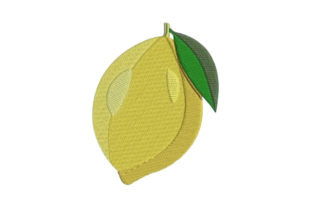
When I look at a new embroidery design, my first question is always: what feeling does it give me? The Lemon design hits the mark perfectly. It’s not rustic or overly farmhouse. It’s not minimal or ultra-modern. It’s simply cute, sunny, and friendly. For a weekend craft fair, this is a powerful starting point. Customers walking by your booth will understand it instantly—it’s a cheerful lemon. That immediate recognition is gold. It doesn’t require explanation. It appeals to a broad audience: anyone who loves a bright, happy kitchen, a pop of citrus color, or just a simple, pleasing graphic. This isn't a niche design; it’s a versatile, crowd-pleasing one.
Product Performance: Where Lemon Will Truly Shine
Not every design works on every product. Lemon, however, has a fantastic range. Let’s break down its potential on typical craft fair items.
Kitchen & Home Goods: The Natural Habitat
For tea towel embroidery and apron embroidery, Lemon is a star. These are practical items that customers buy both for use and for decorative charm. The lemon sits perfectly in that space. On a crisp white or natural linen tea towel, it becomes a focal point without being overwhelming. On an apron, placed on a pocket or corner, it adds personality. The design feels right at home here, tapping directly into the Food category without needing to scream "kitchen."
Totes, Bags, and Wearables: Everyday Joy
Tote bag design applications are another strong win. Whether on a market bag or a smaller fabric pouch, Lemon acts as a bright, decorative accent. On lighter canvas or cotton, it will pop. The key here is sizing—it can work as a medium-sized central design on a tote or a smaller repeatable element. On caps, you need to be mindful of the curved surface, but a well-placed, appropriately sized lemon could be a unique and fun offering. As an embroidered patch, it’s perfect; customers love instantly recognizable, cute patches they can apply themselves.
Display & Gift Items
For pillow covers or small decorative pillows, Lemon brings a soft, decorative touch. It’s not festive; it’s year-round. This is crucial for building a product line that sells in any season. As a small shop product or handmade gift, it’s highly giftable—thinkable for a friend who loves to cook, or just for someone who appreciates cheerful home decor.
Practical Production: Making Lemon Work for Your Booth
The description says it “will look stunning in any type of fabric” and comes with multiple embroidery file formats. As a professional, I take that as a promising start, but my job is to test it.
The Essential Pre-Production Checklist
- Test on Scrap Fabric First. Always. Run the machine embroidery design on the actual fabrics you plan to use: the linen for towels, the canvas for totes, the twill for caps.
- Check Thread Contrast. On dark fabric, like a navy tote, you’ll need to ensure the chosen thread colors—likely yellows and greens—have enough pop. You might need to adjust color choices.
- Review Stitch Density & Tiny Details. Examine the design file closely. Are there extremely dense stitch areas that could pucker on lightweight towels? Are there tiny details, like small leaf veins, that might lose clarity if you shrink the design for a pouch? This affects your choice of hoop size and stabilizer.
- Create One Real Mockup. Never rely solely on a printable mockup for your judgment. Stitch it out on a finished product sample. This reveals how it really looks, feels, and how the fabric texture interacts with the stitches.
- Confirm Commercial Licensing. The description mentions it “can be u…”—likely “used.” As an Etsy seller or craft fair product maker, you must verify the license terms for this digital embroidery file explicitly allows commercial use of your finished product.
Batch Production Considerations
Lemon feels highly repeatable. Its clear, likely not overly complex color palette (yellows, green, maybe a stem brown) means thread management for batch production is straightforward. It’s a design you can efficiently run on multiple towels or totes in a morning to stock your booth. This reliability is vital for a creative entrepreneur.
Visual Appeal and Booth Display Strength
In a booth crowded with items, Lemon acts as a visual anchor. Group your lemon-themed products together—a towel, an apron, a tote, a patch on display. This creates a mini-collection that tells a story and strengthens your brand consistency. The color yellow naturally attracts attention. It will stand out amongst more muted or complex designs on your table.
Photographing for Online Sales
For your Etsy listings or online shop, Lemon will photograph well. Simple, high-contrast designs (like a yellow lemon on a white background) are clear and appealing in product photos. They communicate the product’s value quickly to scrolling customers. Make sure your photos show the handmade quality of the stitching close-up.
Customer Engagement and Product Value
This design adds perceived value. A plain tea towel is utilitarian. An artfully embroidered lemon tea towel is a handmade product with charm and thought. It justifies a higher price point. Customers connect with it emotionally—it’s cheerful, it’s cooking-related, it’s summery. That connection drives purchase decisions at a fair. It’s easy for a customer to imagine it in their home, which is the ultimate goal.
Final Designer Notes: A Confident Choice for Craft Fairs
The Lemon embroidery design is a solid, strategic choice for craft fair sellers and boutique makers. It’s not a risky, avant-garde piece; it’s a reliable, appealing, and versatile design asset. Its strength lies in its universal recognizability and its natural fit on a wide array of best-selling craft fair products. By paying attention to the practical production steps—testing, stabilizing, verifying licensing—you can turn this sunny digital embroidery file into a profitable lineup of products that will catch eyes and lift spirits at your next market. Focus on the items where it feels most natural: kitchen textiles and cheerful accessories. Let the lemon’s simple, happy character do the talking for you.