Dream Do: An Embroidery Designer's Review for Business Use
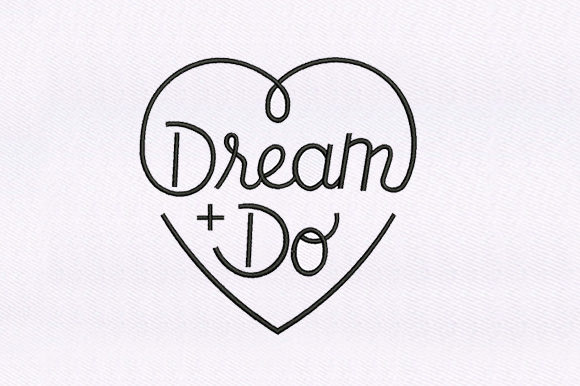
When a design called Dream Do lands in my studio, my first question isn't just about its looks. As a professional embroidery designer working with brands and makers, I evaluate how a file will perform in the real world of business merchandise, patches, and branded apparel. The name itself, Dream Do, suggests a blend of aspiration and action—a perfect sentiment for a small business building its identity. This design feels inherently motivational, leaning towards a modern, friendly, and handmade aesthetic that resonates with creative entrepreneurs.
Visual Personality & First Impressions for Branding
The initial impression of Dream Do is one of approachable professionalism. It doesn’t scream corporate; it whispers craftsmanship. This makes it exceptionally versatile for the types of businesses I often partner with: boutique cafés, artisan bakeries, creative studios, independent pet brands, and handmade shops. It carries a tone that can be interpreted as playful, rustic, or elegantly simple depending on your thread color choices and application. For a brand wanting to feel premium yet personal, this design offers a strong foundational asset.
Real-World Business Applications & Merchandise Potential
From a practical standpoint, Dream Do as a machine embroidery design has significant potential across common small business merchandise needs. Its core strength likely lies in its adaptability.
Embroidered Patches for Product & Uniforms
An embroidered patch version of this design could serve as a beautiful product label for handmade goods, sewn onto tote bags, aprons, or even as a packaging accent. For staff uniforms, a chest logo or sleeve detail featuring Dream Do would reinforce brand identity subtly and consistently. Patches also offer flexibility for event merch or customer gifts.
Custom Apparel & Accessories
For direct embroidery onto custom apparel, consider it for apron embroidery in a bakery or floral studio, where it adds a touch of branded elegance. As a cap embroidery design on the front panel, it needs careful sizing evaluation. On tote bag design, it can act as a central mark, elevating a simple canvas bag into branded merchandise. For work shirts or polo uniforms, it can project a cohesive, professional team image.
Critical Considerations for Production Success
Every digital embroidery file requires a technical review before committing to production. With a design like Dream Do, intended for business use, here are my essential designer notes.
Sizing, Density, and Fabric Compatibility
First, always test it in black and white thread first on your actual fabric. This reveals the true contrast and readability without color distractions. Crucially, check if it works at small patch size. If you plan to use it on a cap front or as a small product label, tiny lettering and detailed outlines must remain clear and not merge into a dense blob. High stitch density can cause issues on curved surfaces like caps or on textured fabrics; proper stabilizer choice is paramount.
Review the provided embroidery file formats—the list includes common industry standards like PES, DST, JEF, and others—and confirm your machine’s compatibility. Before any commercial embroidery run, confirm commercial licensing for the file. Always create a printable mockup for client approval to visualize the finished product on the intended item, be it a dark uniform or a light apron.
Longevity and Brand Consistency
For items that need frequent washing, like staff shirts or aprons, a robust design with good stitch construction is key. Test on real fabric samples that match your final product. Compare Dream Do beside your other design assets to ensure visual consistency across all your branded materials. This consistency builds customer trust, recognition, and enhances the perceived value of your merchandise.
How Dream Do Elevates Your Brand Identity
Ultimately, the choice of an embroidery design like Dream Do directly impacts your brand’s story. On a handmade product, it reinforces the artisan’s care and attention. On uniforms, it fosters a sense of team pride and professionalism. On customer-facing merchandise like totes or caps, it becomes a tangible piece of your brand that engages buyers and turns them into ambassadors.
Its alignment with the Awareness category suggests a focus on message and sentiment, making it powerful for brands built on a mission or a creative philosophy. Used thoughtfully, it can transform simple small business merch into meaningful brand touchpoints. My final advice is to treat this machine embroidery design as a key business asset: evaluate it technically, apply it strategically, and let it carry your brand’s dream into everything you do.