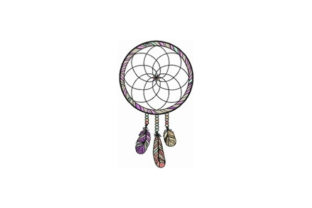
Dream Catcher: An Embroidery Designer's Product Review
As an embroidery designer preparing for a weekend craft fair, my first task is to evaluate which designs will translate into products that not only look beautiful but also sell effectively. Today, I'm reviewing a new addition to my collection: the Dream Catcher machine embroidery design. This high-quality embroidery file is described as ready for your next sewing project, promising to look awesome on any fabric or clothes. But how does it hold up under the scrutiny of a professional crafting for a market booth? Let's dive in.
First Impression: Decorative & Spiritual Appeal
The title "Dream Catcher" immediately sets a mood. It feels decorative, spiritual, and taps into a sense of rustic charm and personal protection. In the context of a Religion product category, this isn't about overt symbolism, but rather a universally recognized motif associated with positivity, good dreams, and a touch of bohemian or natural style. For craft fair sellers, this is a strong starting point. The design isn’t cute or funny; it leans into elegant, rustic, and decorative. This gives it a premium feel that can elevate simple items like pillow covers or market bags.
Where Dream Catcher Stands Out in the Booth
Imagine your table: tote bags, aprons, tea towels, patches, caps, small pouches, pillow covers. The Dream Catcher design needs a product that complements its aesthetic. My instinct is that it would stand out most on items with a natural, soft, or giftable quality.
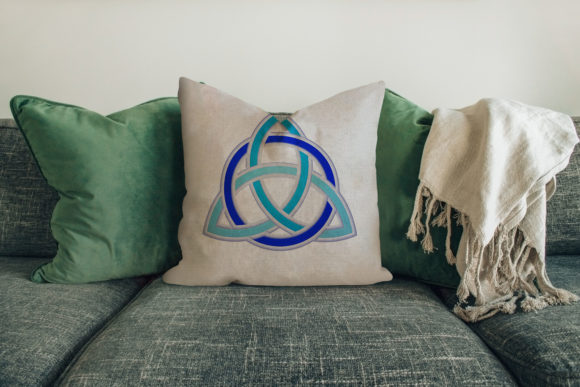
Pillow covers are a prime candidate. A Dream Catcher embroidered on a linen or cotton pillow cover feels intentional and homey, perfect for boutique makers targeting home decor buyers. Tote bags and market bags made from canvas or cotton duck also work beautifully; the design becomes a focal point that tells a story, making the bag more than just a utility item. For small pouches or tea towels, the scale becomes crucial. As a larger focal design on a towel's corner, it could be stunning, but on a small pouch, it might need to be simplified or sized down carefully.
Embroidered patches offer fantastic versatility. A Dream Catcher patch can be sold as a standalone product for Etsy sellers or applied to a denim jacket or backpack as a booth sample, showcasing its potential. Caps present a challenge due to the curved surface, but if the design's details are clear and not too dense, a Dream Catcher on the side of a cap could appeal to a specific, style-conscious customer.
Practical Production & Selling Points
Turning this digital embroidery file into a batch of craft fair products requires practical thinking.
Understanding the Design at a Glance
For customers browsing quickly, the Dream Catcher motif is easy to understand. Its circular form, likely with webbing and feathers, communicates its purpose instantly. This is a major advantage for handmade shop owners. A design that needs no explanation sells faster. It works beautifully as a large focal piece on items like pillow covers or tote bags, but I'd also test it as a smaller accent on something like the pocket of an apron or the flap of a pouch to see if the intricate details remain clear.
Photography & Online Sales
For Etsy sellers and digital sellers relying on online listings, how this design photographs is critical. The described "high-quality" suggests clean lines and good stitch definition. On lighter fabrics, it will pop, creating strong printable mockups for your listings. On dark fabrics, however, thread contrast is paramount. Before production, I must test it on scrap fabric in various colors—especially black or navy—to ensure the design doesn't lose its visual appeal. A Dream Catcher that vanishes on dark material won't sell.
Batch Production & Repeatability
Is Dream Catcher repeatable? For producing multiple tote bags or tea towels for a fair, the design needs to be efficient. Key factors are stitch density and thread colors. A design with extremely dense stitch areas will take longer to embroider, wear more thread, and might require heavier stabilizer, affecting cost and time. Tiny details or small lettering within the design could become problematic at smaller sizes or on textured towels. As a designer, my notes are clear: test the design on scrap fabric first. Check the actual stitch density, review the spacing of elements, and confirm the minimum hoop size required. Using the right stabilizer for the chosen product fabric—be it a textured towel or smooth cotton—is non-negotiable for a clean finished product.
Careful-Use Notes for Maximum Quality
To ensure every Dream Catcher product feels handmade and high-quality, several technical points deserve attention.
- Scale: Embroidering this on a curved cap surface requires a stabilizer that accommodates the curve without puckering.
- Fabric Texture: On a textured tea towel, the design's finer lines might get lost; a bold version or larger size may be necessary.
- Small Sizes: If reducing the design for a small pouch or patch, inspect the stitch file carefully. Feather details or fine webbing may lose clarity and become a blur of thread.
- Thread Choice: Contrast is king. On light fabrics, darker threads for definition; on dark fabrics, bright or metallic threads could add a premium touch.
- Real Mockup: Before committing to batch production, create at least one real, physical mockup on the intended product (e.g., a tote bag). This reveals real-world issues and becomes a perfect booth sample.
Boosting Customer Attention & Product Value
A well-executed Dream Catcher embroidery directly affects customer engagement at your booth. It adds visual appeal by being a recognizable, story-rich motif. On a product like an apron, it transforms a utilitarian item into a decorative, giftable handmade item. This perceived handmade quality increases the product's value. For brand consistency, if your small shop product line leans toward rustic, spiritual, or nature-inspired themes, Dream Catcher fits seamlessly, strengthening your overall display.
In a busy craft fair environment, items with clear, attractive focal designs like this catch the eye from a distance. A pillow cover with a beautifully embroidered Dream Catcher displayed prominently can draw customers in to see your other work. It encourages buyer engagement because people often have a personal connection to the symbol—they might share a story about dream catchers, which is a wonderful sales opportunity.
Final Designer Recommendations
The Dream Catcher design holds strong potential for commercial embroidery products targeted at craft fairs and handmade markets. Its decorative and spiritual mood aligns with popular aesthetic trends. For the best chance to sell, focus on applying it to products where its details can shine as a focal point: pillow covers, tote bags, and perhaps larger tea towels. Patches are also a versatile and lower-risk product to test.
My critical, final advice before you stitch this on hundreds of items:
- Confirm Commercial Licensing: Ensure your digital embroidery file license allows for selling finished products. This is a must for any Etsy seller or commercial embroidery business.
- Test, Test, Test: Run the design on the actual fabrics and products you plan to sell. Check thread contrast, stitch density, and hoop compatibility.
- Consider Fabric Palette: Curate a selection of fabric colors that complement the design's mood—natural linens, soft creams, earthy tones, and maybe a few dark shades with high-contrast thread.
- Build Your Booth Story: Use the Dream Catcher products to create a cohesive section in your display, telling a visual story of craftsmanship and thoughtful design.
With careful preparation and these production notes in mind, the Dream Catcher embroidery design can become a standout, profitable part of your next craft fair product line.