The Army Medal: A Professional Designer's Review for Personalization
When a new embroidery design lands on my desk for review, my first question is always: what story does it tell, and how beautifully can it tell it on a real product? This isn’t just about testing a file; it’s about envisioning the final, stitched piece in a customer’s hands. Today, I’m looking at the Army Medal embroidery design from the perspective of a shop specializing in personalized gifts. Let’s walk through its potential, from first impression to practical application on everything from a baby blanket to a wedding keepsake.
First Impressions: Mood, Detail, and Emotional Pull
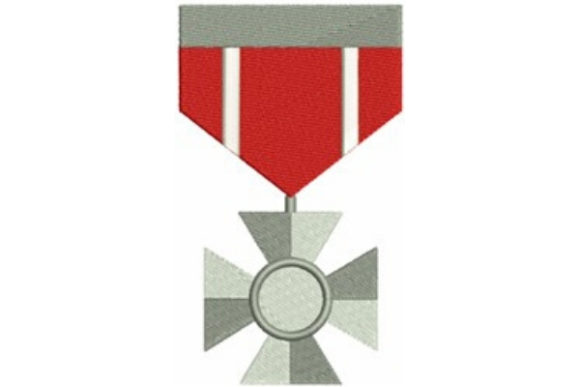
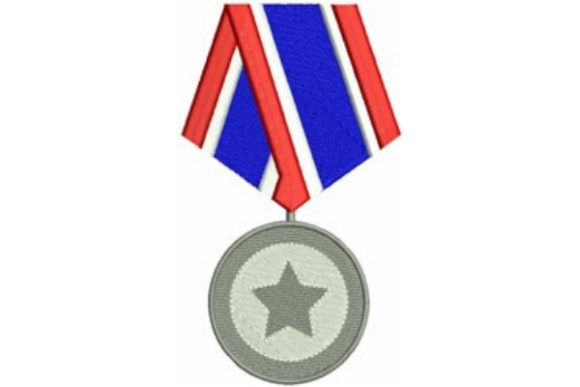
Opening the Army Medal design, the immediate feeling is one of classic elegance with a handmade charm. It carries a dignified, timeless mood—perfect for honoring service, achievement, or family legacy. The detail level appears thoughtfully balanced: it has the crispness needed for a clean stitch-out without being overly intricate where it might become fragile on certain fabrics. This isn’t a playful or seasonal design; it’s a sincere one. For a customer seeking a meaningful gift—perhaps for a veteran, a retiree, or to commemorate a family milestone—this design has a strong emotional appeal. It feels sweet in its reverence and elegant in its execution, promising a finished product that looks both professional and personally crafted.
The Versatility of the Army Medal for Personalized Gifts
The product description says it will stitch out wonderfully on any kind of fabric, and that’s the claim I’m most interested in testing for a gift shop. My mind immediately runs through the catalog of popular personalized items.
Core Applications for Crafters and Sellers
For baby embroidery and nursery decor, this design could be beautifully stitched onto a blanket corner or a pillow cover for a child with a family military tradition. It becomes a heirloom piece from day one.
As a wedding gift or family keepsake, imagine it embroidered onto a linen pillow cover or the cuff of a decorative apron for a couple with a service background. It adds a layer of personalized narrative to the item.
For everyday personalized goods, the Army Medal shines on embroidered towels, custom tote bags, and aprons. These are staple products for Etsy sellers and craft fair booths. The design’s classic nature means it doesn’t feel trendy or fleeting, boosting its longevity as a small shop product.
In product photography and buyer engagement, a clean stitch-out of this design on a simple towel or pillow creates a strong visual. It speaks to a specific audience, building customer trust through apparent quality. For digital product sellers offering the file itself, creating a printable mockup of the design on various products (a blanket, a towel) can help buyers visualize the end use instantly.
Considerations for Optimal Stitching and Giftability
While the design promises versatility, a professional approach means identifying where extra care is needed to ensure that perceived value and handmade quality remain high.
Areas for Careful Application
- Small Lettering or Delicate Details: If the design contains any fine text or very small elements, these will require precise hoop placement, the right stabilizer, and possibly a test on scrap fabric first.
- Textured or Difficult Fabrics: Thick towels, terrycloth, or looped fabrics need robust stabilization to prevent puckering. Stretchy baby clothes require careful hoop choice and possibly a cut-away stabilizer to maintain integrity after frequent washing.
- Dark Fabric and Thread Contrast: Always check thread color contrast before stitching. A design like this might use specific colors that pop on light fabrics but need adjustment for dark backgrounds. Comparing light and dark fabric mockups digitally is a smart step.
- Curved Surfaces and Hoop Size: On items like tote bags or fitted pillow covers, confirming the physical hoop size compatibility is crucial. You need to ensure the design fits the available flat embroidery area without distortion.
Practical Embroidery Notes for Success
Before running this on a customer’s order, my personal checklist includes:
- Running a test stitch-out on a scrap fabric similar to the final product material (e.g., a kitchen towel scrap for a towel order).
- Reviewing the stitch density visually in the file preview. Very high density on soft fabrics like baby blankets can lead to stiffness.
- Checking all small details after the test stitch to ensure clarity and no skipped stitches.
- Verifying commercial licensing for the digital embroidery file if I plan to sell the finished products commercially. This is a non-negotiable step for any small business owner.
The emotional connection a gift creates is tied directly to its physical perfection. A puckered design on a baby blanket or blurred details on a pillow cover undermines that connection. Taking these steps safeguards the giftability of the final item.
Final Thoughts on the Army Medal as a Shop-Ready Design
From my designer’s review, the Army Medal presents a strong candidate for a personalized gift shop’s inventory. Its classic, elegant mood targets a meaningful niche—customers looking for gifts of honor, legacy, and respect. Its described versatility across fabrics opens a wide range of applications, from baby embroidery to wedding gifts.
The key to unlocking its potential lies in the practical, pre-production work. Testing on the actual fabrics you plan to use, considering thread contrast, and confirming licensing transforms a good machine embroidery design into a reliable, shop-ready asset. For the crafters, Etsy sellers, and baby product creators reading this, I’d advise: embrace the design’s emotional appeal, but pair it with your professional diligence. When stitched well on the right product, the Army Medal can become a cherished custom embroidery, elevating your shop’s offerings and delivering exactly the kind of thoughtful, handmade gift customers are searching for.