Sassy Figure 8 Santa: A Business Designer's Festive Review
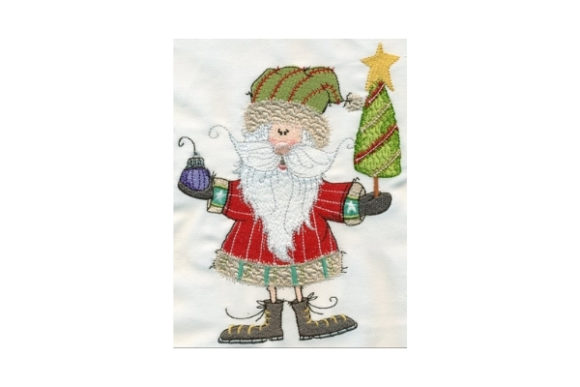
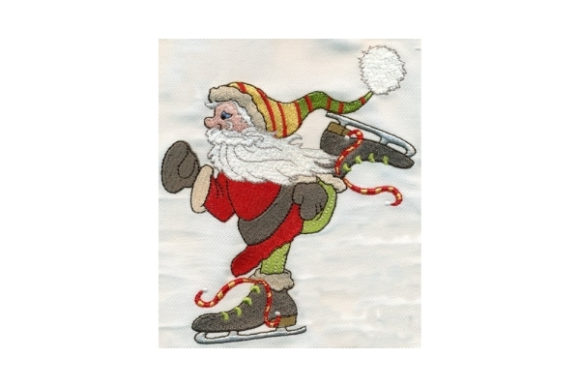
When a new embroidery design lands in my library, my first question isn't just about its decorative appeal. I ask: how will this perform as a business asset? The Sassy Figure 8 Santa machine embroidery design, positioned for Christmas projects, immediately sparks a professional review. From the perspective of a brand building merchandise, uniforms, or product labels, this design carries a distinct personality. Its title suggests a playful, almost cheeky character—“sassy” implies a friendly, non-traditional twist on a classic figure. This is a crucial first impression for small businesses wanting to feel approachable and modern while still embracing festive tradition.
The Visual Personality and Brand Alignment
For a café, boutique, or creative studio, the visual tone of your branded items sets customer expectations. Sassy Figure 8 Santa leans into a playful, rustic, and handmade aesthetic. It’s unlikely to feel overly corporate or stiff. This makes it an excellent candidate for businesses with a personal touch: a family bakery, a cozy florist, a pet brand with a quirky voice, or an Etsy shop selling handmade goods. Used as a chest logo accent on staff aprons, or a small patch on a tote bag, it conveys warmth and seasonal cheer without screaming “holiday commercial.” It adds value by making standard merchandise—like a work shirt or an apron—feel special and limited-edition during the winter season.
Real-World Application for Small Business Merch
Let’s translate that personality into real, stitched applications. The promise of multiple embroidery file formats is key for production versatility across different machines.
Embroidered Patches and Product Labels
For a branded patch, perhaps for a customer gift or event merch, the design’s success hinges on its clarity at a small size. A Sassy Figure 8 Santa patch needs to be tested rigorously. Does the “figure 8” composition and any detailing remain distinct when stitched at, say, 2 inches? This is vital for cap fronts or as a sleeve detail on polo shirts. High stitch density in a small area can lead to a stiff, bulky patch—something to avoid on flexible garments. Always test the embroidery file at your intended patch size on a similar fabric first.
Uniforms and Apparel Decoration
On staff uniforms—aprons, work shirts, or caps—the design acts as a seasonal brand accent. It shouldn’t overshadow the main logo but complement it. On a dark apron, thread color contrast is paramount; lighter, bright threads will make the Sassy Figure 8 Santa pop. Remember, items like aprons and work shirts undergo frequent washing. A robust design with good stitch integrity and proper stabilizer use during embroidery will ensure the festive detail lasts through the season without fraying or puckering.
Tote Bags, Packaging, and Merchandise
For a tote bag design or a product packaging accent (like on a boutique’s gift wrap or product tag), the scale can be larger. Here, the playful nature shines. It transforms a simple canvas tote into a festive, branded shopping bag, increasing perceived product value. For a handmade brand, this embroidery on a tote or tea towel becomes a sellable product itself, enhancing customer engagement through unique, crafted details.
Practical Considerations for Professional Use
Moving from concept to finished product requires a designer’s disciplined checklist.
- Test in Monochrome First: Run a test stitch, perhaps in simple black and white thread, to evaluate the design’s form and outline without color distractions. This reveals the core structure.
- Check Fabric and Stabilizer Compatibility: The design will behave differently on a smooth cap front versus a textured canvas tote. Use the appropriate stabilizer to prevent puckering, especially on curved surfaces like caps.
- Review Thread Color Palette: Choose threads that align with your business’s seasonal branding—perhaps classic reds and greens, or a more modern mint and burgundy palette—to ensure visual consistency.
- Create a Printable Mockup: Before stitching a batch for commercial embroidery projects, create a digital mockup for client approval. This saves time and material.
- Confirm Commercial Licensing: The description notes it can be used in multiple ways. However, for clear business use—selling embroidered merchandise—always verify the licensing terms of the digital embroidery file before production.
- Compare to Brand Assets: Hoop the design beside your existing logo or other design assets. Does Sassy Figure 8 Santa feel cohesive? Does it enhance your brand identity for the holidays without confusing it?
Where to Exercise Caution
Even a charming design has limitations in a business context.
- Tiny Lettering or Extreme Detail: If the “sassy” element includes small text or intricate details, these may become lost or muddy at smaller patch sizes, affecting recognition.
- High Density on Delicate Fabrics: A design with high stitch count on lightweight fabrics (like thin polyester uniforms) can be too heavy, affecting drape and comfort.
- Curved and Small Surfaces: On the curved front of a cap, especially a smaller cap design, distortion can occur. Careful hooping and testing is non-negotiable.
- Dark Backgrounds Without Contrast: Stitching on dark uniforms without planning for bright, contrasting thread colors will render the design invisible, wasting the effort.
Final Verdict for Branded Seasonal Use
The Sassy Figure 8 Santa embroidery design presents a strong opportunity for small businesses to inject festive, friendly personality into their custom apparel and merchandise. It supports brand identity by offering a seasonal variation that feels handmade and engaging. Its potential as an apron design, cap embroidery, or tote bag mark is significant, provided the practical embroidery steps are followed. For the bakery adding a patch to its holiday cookie bags, the florist stitching it onto winter apron pockets, or the Etsy seller using it for limited-edition product labels, it can boost customer trust through thoughtful, professional presentation. Ultimately, its success lies not just in the digital file, but in the designer’s rigorous process: testing, adapting, and ensuring it stitches perfectly as a valuable business asset.