A Designer's Review of Redwork Christmas Ornament Embroidery
When browsing digital embroidery files for seasonal projects, the title Redwork Christmas Ornament and Bell immediately catches the eye. As an embroidery designer who regularly creates items for craft fairs and customer orders, I approach every new design with a practical mindset. I’m not just looking for something cute; I’m evaluating how it will perform on real fabric, hold up over time, and add value to a handmade product. Here’s my honest assessment of this embroidery file from the perspective of someone considering it for commercial and gift projects.
First Impressions: Classic Charm and Project Fit
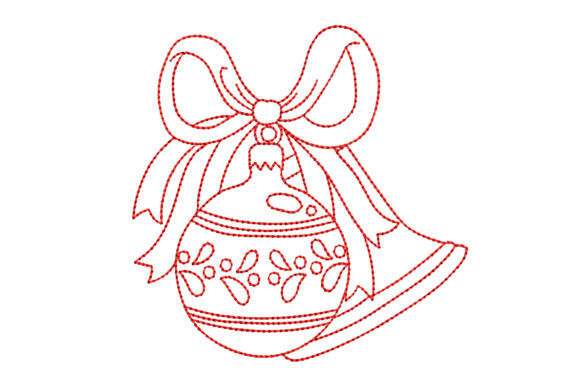
The visual mood of Redwork Christmas Ornament and Bell is immediately clear: it’s classic, clean, and relies on the timeless appeal of redwork embroidery. This style, using a single color for outline and detail work, offers a distinct stitching personality. It’s decorative without being overly busy, which makes it incredibly versatile. My first thought was how naturally this would fit onto smaller, giftable items. The stated 4x4 hoop size suggests it’s designed for projects like kitchen towels, pillow covers, the corner of a baby blanket, or the center of an apron. For an Etsy seller or small business owner, that’s a valuable starting point—a design that doesn’t demand a large hoop or excessive stitching time.
The detail level appears to be focused on recognizable shapes—the ornament and bell—with what I assume would be running stitch or satin stitch outlines to create the redwork effect. This is key. Designs with overly dense fill stitch areas can be problematic on stretchy fabrics or items like caps, but a cleaner outline design often translates well across more surfaces. Its decorative appeal leans toward traditional holiday cheer, perfect for customers seeking handmade gifts with a nostalgic feel.
Performance in Real-World Embroidery Projects
Let’s move from impression to application. How might Redwork Christmas Ornament and Bell perform when you actually load the embroidery file and start a project? For custom apparel like sweatshirts or tote bags, a 4x4 design is a manageable size. It provides a focal point without dominating the garment. On a tote bag, especially one made of a heavier cotton or canvas, this type of design should stitch out cleanly, provided you use a proper stabilizer. The single-color scheme simplifies thread management, which is a plus when producing multiple items for a craft fair.
For more challenging surfaces, like curved cap fronts or stretchy knit fabrics for baby items, you need to be cautious. Even an outline design can have small, intricate details. The bell’s curves and the ornament’s top loop, for example, could present puckering if the stitch density is high or the stabilizer is insufficient. This isn’t a flaw of the design itself, but a universal consideration for embroidery designers. Always test on scrap fabric that matches your final project material. For dark fabrics, the classic red thread should offer excellent contrast, making the design pop—a crucial factor for product photography and visual appeal in online listings like Etsy.
Considering patches, this design is conceptually ideal. A redwork ornament and bell patch would be charming on a backpack or jacket. However, you must inspect the embroidery file details for stitch count and density. A patch needs a robust edge and good coverage. Without knowing the specific file parameters, I’d advise checking the product page on Creative Fabrica for specifics before committing to patch production.
Affecting Product Value and Customer Trust
From a business standpoint, using a well-executed embroidery file like this directly impacts your product’s perceived value. A clean, crisp Redwork Christmas Ornament and Bell stitched onto a high-quality kitchen towel transforms it from a simple utility item into a desirable, giftable holiday product. For boutique merchandise or handmade shop owners, this consistency in quality—where every ornament stitches out perfectly—builds buyer trust. Customers return when the craftsmanship is reliable.
The handmade presentation is enhanced because the design itself is inherently handcrafted-looking. It doesn’t mimic a complex, machine-like graphic; it feels like embroidery. This authenticity resonates in the handmade market. For brand consistency, if your shop specializes in traditional or holiday themes, this design becomes a strong, repeatable asset across different products—aprons, pillow covers, nursery decor—creating a cohesive collection.
Practical Embroidery Notes for Success
Before using any new embroidery file for commercial embroidery products, a disciplined workflow is essential. For Redwork Christmas Ornament and Bell, here are the steps I would take:
- First, confirm the hoop size and file formats on the Creative Fabrica product page. The title says 4x4, but always verify compatibility with your specific embroidery machine.
- Review the product description for any notes on stitch density or thread colors. Redwork typically implies one color, but confirm if a list is provided.
- Stitch a test sample on a scrap of your intended fabric. For a kitchen towel, use a similar weight cotton. For a sweatshirt, use a knit scrap. This reveals how the design handles the material.
- Pay close attention to any small details like tiny lettering or intricate lines during the test. Do they stitch cleanly? Are there jumps or trims that could cause weakness?
- Compare how the design looks on both light and dark fabric mockups, even digitally, to plan your product line. A red design on a white baby blanket versus a dark green sweatshirt offers different aesthetic appeals.
- Always use the correct stabilizer. For woven items like pillow covers or aprons, a cut-away might be best for permanence. For stretchy caps or sweatshirts, a quality tear-away or adhesive stabilizer is critical to prevent distortion.
- Finally, and most importantly for digital product sellers and creative entrepreneurs, inspect the licensing terms on the Creative Fabrica page before selling finished items. Understand the commercial use policy to ensure your business is compliant.
Is It Worth Downloading and Using?
From my point of view as a professional embroidery designer, the value of Redwork Christmas Ornament and Bell hinges on its application. If your project lineup includes the smaller, festive items I’ve mentioned—towels, blankets, aprons, lightweight apparel, patches—this design has a high potential to be a workhorse. Its classic redwork style reduces production complexity (one color thread) and aligns with holiday customer expectations. The 4x4 hoop size is practical for quick turnovers, which is vital during the busy Christmas season.
The potential pitfalls are generic to any embroidery file: not testing on your specific materials and not verifying the technical file details. The design itself, based on its described style and size, seems fundamentally sound for handmade and commercial use. It can elevate a simple product into a cherished gift, improve your product photography with its clear contrast, and engage customers looking for authentic embroidered decor. My final advice is to see if its aesthetic matches your brand, then do your due diligence with the test stitch and license check. If it passes your practical criteria, Redwork Christmas Ornament and Bell could become a reliable part of your holiday embroidery toolkit.