Wacky Halloween Corn: A Designer’s Review for Real Projects
When a new embroidery file lands on my desk, I don’t just look at the preview image. I think about how it will actually stitch out, what kind of project it demands, and whether my clients or customers will smile when they see it. So, let’s talk about ‘Wacky Halloween Corn 04’. It’s not just another Halloween embroidery design. It’s a specific character with a specific vibe, and that means specific opportunities.
The Immediate Personality: Where This Design Belongs
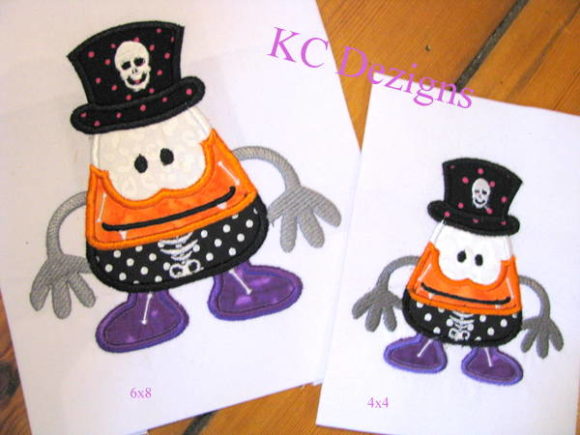
First impression? This is playful, not scary. The ‘wacky’ in the name is key. It suggests a goofy, approachable Halloween spirit perfect for family-friendly items. The corn shape, with its likely exaggerated kernels and expressive face, feels more charming than eerie. This isn’t for a haunted house t-shirt; it’s for a child’s sweatshirt, a festive kitchen towel, or a tote bag for someone who loves autumn’s lighter side. The mood is fun, slightly quirky, and undeniably seasonal. That visual personality tells me it naturally belongs to projects meant to delight, not frighten.
Real-Life Embroidery: Where It Shines and Where to Be Careful
Imagine stitching this out on a custom, heavyweight cotton tote bag for a craft fair. The bold, cartoonish lines would translate beautifully into clean satin stitches for outlines and solid fill stitches for the body. On that stable fabric, with proper stabilizer, the design would pop with clarity. It would become a standout, gift-ready product. Similarly, on the chest of a kids’ sweatshirt or on a baby’s blanket (as a smaller motif), it would create a wonderful, handmade focal point.
However, the mention that it’s available in three hoop sizes is crucial practical information. This flexibility is a major advantage. The smaller hoop versions are your friends for caps, baby items, or as an accent on a tea towel’s corner. The larger sizes allow it to be a central feature on an apron or a pillow cover. But you must match the hoop size to the project. Trying to cram a large, dense version onto a stretchy baseball cap will lead to puckering and distortion. Always, test on scrap fabric first, especially if you’re moving to textured fabrics like fleece or onto dark backgrounds where thread color contrast needs extra consideration.
Considerations for a Professional Finish
As someone who creates items for a craft business or personalized gifts, clarity equals value. You need to inspect the digitizing of small details—like the corn’s potential facial features or tiny decorative elements. Are they defined enough to stitch clearly at your intended size? Running a test stitch, then comparing it on both light and dark fabric mockups, is non-negotiable. This step protects your customer trust and ensures the handmade presentation feels professional, not rushed.
High stitch density in areas like the corn’s fill can be beautiful but demands the right stabilizer on lightweight fabrics like t-shirts to prevent pull. And on curved surfaces like caps, even with proper techniques, simpler designs often perform better—so choose the smallest, cleanest version of this design for those applications.
From Digital File to Finished Product: The Business Perspective
For Etsy sellers, small shop owners, and apparel decorators, this ‘Wacky Halloween Corn 04’ machine embroidery design is a seasonal asset. Its clear, cheerful theme makes it instantly recognizable, which aids buyer engagement in listings. Stitched onto a simple, high-quality pillow cover or a crisp apron, it elevates the product from generic to custom. That giftability is high—it feels like a specific, thoughtful holiday gift rather than a mass-market item.
For brand consistency, if your shop leans towards whimsical or family-focused themes, this design aligns perfectly. Using it across a line of Halloween products—totes, towels, and kids’ apparel—creates a cohesive collection for your boutique or craft fair table. The digital embroidery file itself, assuming proper licensing, becomes a commercial tool. But a vital note: always confirm the license terms before selling finished items. Some files are for personal use only, others allow commercial production. Never assume.
A Practical Designer’s Checklist Before You Stitch
Before you commit this design to a client’s project or your own merchandise, run through this quick mental list:
- Have you confirmed the exact hoop sizes available and chosen the one that matches your physical product’s scale?
- Have you planned your thread colors for optimal contrast against your chosen fabric—brights on dark, perhaps more muted tones on light?
- Are you prepared to use the correct stabilizer for your fabric type (cutaway for stretchy, tear-away for stable) to preserve stitch clarity?
- Have you considered the washability of the finished product? A densely embroidered patch on a frequently washed kitchen towel might need extra reinforcement.
- Does the design’s ‘wacky’, detailed style fit the aesthetic of the item? A more minimalist apron might need a simpler motif.
- Finally, have you actually stitched it out on a scrap piece of your project fabric? This is the single best practice to avoid surprises and ensure the final product meets your—and your customer’s—standards.
‘Wacky Halloween Corn 04’ has the potential to be a delightful, profitable addition to your Halloween embroidery project lineup. Its character-driven design invites creativity in application. By approaching it with a practical, tested mindset, you can transform that digital file into a finished product that truly stands out, whether it’s destined for a personalized gift, a small shop product, or a happy client’s custom apparel.