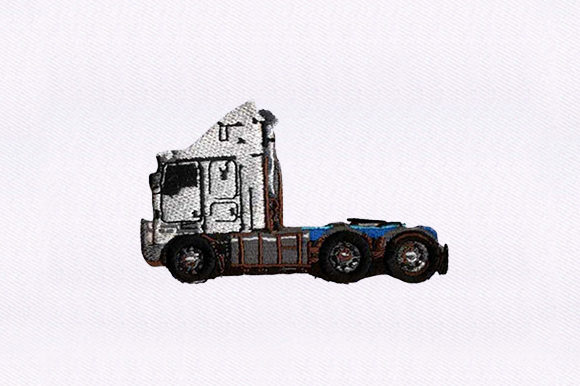
Review: The White Trailer Truck Embroidery Design
When I first opened the White Trailer Truck embroidery file, my immediate thought was, “This is a clean, classic design.” It’s not overly cartoonish or overly technical—it strikes a nice middle ground. The silhouette is bold and recognizable, which is crucial for an embroidery design. The theme evokes a sense of dependable movement, a timeless Americana vibe that feels both sturdy and friendly. It’s a design with a straightforward visual personality: reliable, clear, and versatile.
Where This Truck Finds Its Road
This design naturally belongs on projects where that classic, no-fuss aesthetic works best. I pictured it immediately on a heavyweight cotton tote bag for a small business that sells rustic home goods. It would anchor the bag perfectly. For a client project, I’d lean towards customizing a denim apron or a canvas work shirt—the design’s substantial shape complements those textured fabrics beautifully. For a more personal touch, it’s a strong candidate for a father’s birthday gift, embroidered onto the pocket of a sturdy sweatshirt. The clarity of the truck makes it an excellent choice for an embroidered patch, too, which could then be applied to a backpack or a jacket.
In a craft business context, think of products that benefit from a clear, iconic image. Baby items like a burp cloth or a nursery pillow cover with this truck design would appeal to parents who love a transportation theme without it being too noisy. For holiday gifts, especially for dads or grandparents, a kitchen towel or a blanket with this truck stitched on the corner feels personal and thoughtfully handmade. For an Etsy seller or boutique, it’s a design that could easily become part of a cohesive collection—maybe a series of transportation-themed items.
Navigating the Stitching Terrain: Practical Performance
In real-life embroidery, the success of a design like White Trailer Truck hinges on its detail level and stitch density. Because it’s described as “detailed,” I’d expect it to have areas of fill stitch for the truck body and likely satin stitch for outlines or trim. This means it will look great on stable, medium-weight fabrics: cotton twill, denim, canvas, and standard apparel fabrics for sweatshirts or t-shirts. On a tote bag, it will stand out with excellent clarity, enhancing the product’s value and handmade presentation.
For customer trust and professional results, a clean stitch-out is key. On dark fabric backgrounds, you’ll need to ensure your thread color choices provide enough contrast—a white or light grey truck on a navy sweatshirt would pop wonderfully. On light fabrics, it will be naturally crisp. The design’s recognizability boosts buyer engagement; it’s an easy image to understand and appreciate, which is great for giftability.
Careful Routes: Where to Use With Caution
Like any machine embroidery design, there are places where White Trailer Truck requires extra consideration. If the design is large or has dense stitch areas, be cautious on thin or stretchy fabrics like lightweight t-shirts without proper stabilizer. The pull of the stitches could distort the fabric. Similarly, on curved surfaces like caps, the larger, blocky shape of a truck might need a specific orientation to look right—testing on a scrap cap fabric is essential.
If the design includes very small details—like tiny lettering on the trailer or intricate grill work—those could become muddy on textured fabrics or if the hoop size is too small. Always test the design on scrap fabric first to inspect these small details. For products that need frequent washing, like baby clothes or kitchen towels, a robust stitch density is good, but you must pair it with quality thread and proper application to ensure longevity.
For layered garments or items with seams, consider the placement. This truck would look best on a flat, uninterrupted area, like the back of a sweatshirt or the center of a pillow cover, avoiding pockets or plackets that could interfere with the hoop.
The Designer’s Checklist Before You Hit Start
My practical notes before running this embroidery file on a real project are always the same. First, check the actual hoop size requirement. Since it’s not specified here, you must confirm that the design fits your intended product area. Review the stitch density by looking at the file in your software; dense fills on large areas might require multiple color changes or careful stabilizer choice.
I always advise testing on both a light and dark scrap of your target fabric. This tells you everything about thread color contrast and how the fabric texture interacts with the stitches. For digital product sellers creating mockups, test the design in black and white previews to ensure the silhouette remains strong, which is vital for printable mockups and digital design assets.
Finally, and critically, confirm the licensing terms before selling finished items or commercial embroidery projects. Can you use it for personal and commercial projects? Knowing this upfront protects your craft business and ensures you’re using the design appropriately for Etsy listings or small shop merchandise.
The Final Verdict: A Sturdy Asset for Your Collection
The White Trailer Truck embroidery design strikes me as a reliable, versatile asset. Its mood is classic and approachable, fitting a wide range of projects from personalized gifts to boutique product lines. For embroidery designers and makers, its strength is in its clear visual appeal and likely solid stitch construction. It won’t surprise you with fussy details that fail to translate to fabric. It feels like a design that, when stitched with care on the right fabric, will result in a professional-looking finished product that customers will recognize and value. It’s a design that does its job without hype—a straightforward, quality embroidery file ready for your next sewing project, whether that’s a custom apparel order or a handmade tote bag for your next craft fair.