German Shepherd Embroidery: A Designer's Review for Boutique Apparel
As an embroidery designer planning a new sweatshirt collection, I often start by browsing through digital libraries for designs that can carry a visual theme. When I came across the German Shepherd embroidery design from Creative Fabrica, it immediately caught my eye as a potential candidate for a line of cozy, lifestyle-focused apparel. This review is based on that first impression and my practical considerations for using it in a real product collection.
First Impressions: Visual Personality and Mood
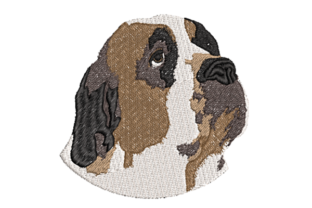
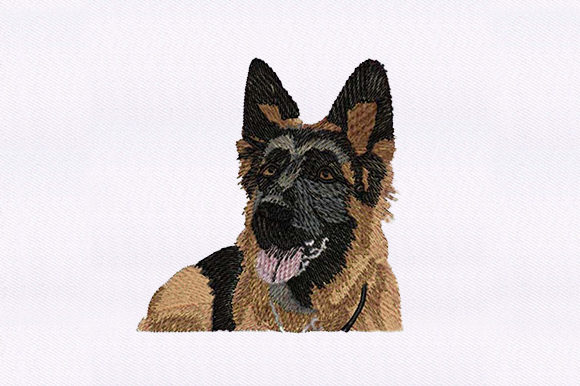
The German Shepherd design presents a classic, bold personality. It feels neither overly cute nor excessively rustic; instead, it strikes a balance between a recognizable, dignified depiction and a decorative strength suitable for apparel. The detail level appears to be thoughtfully rendered for machine embroidery, suggesting it can translate well into stitches without losing its essential character. For a boutique brand, this creates a mood that is both trustworthy and visually engaging—it feels premium enough for a higher-value item yet retains a casual, approachable vibe that works for everyday wear.
Where This Design Shines in Apparel Projects
Imagine this design applied across a small collection. On a neutral-toned sweatshirt—like a cream or oatmeal color—the German Shepherd would stand out with a clean, crisp presence, elevating a simple garment into a statement piece. For pastel hoodies, perhaps a soft blue or pink, the design would introduce a playful contrast without being overpowering. On dark apparel, such as black or navy sweatshirts, the contrast would be maximized, making the embroidery a bold focal point, perfect for back designs or larger chest placements.
Sweatshirt and Hoodie Applications
For sweatshirt embroidery, particularly on the chest area, this design’s size and detail could work beautifully. It has the decorative strength to act as a central brand element without needing additional text or graphics. On oversized garments, where the fabric area is larger, the design could be scaled appropriately to maintain its impact. As a sleeve accent, it would add a subtle, sophisticated touch, especially on more minimalist garment styles.
Beyond Sweatshirts: Totes, Jackets, and Seasonal Lines
Expanding the collection, the German Shepherd design would translate seamlessly to tote bags, offering a cohesive brand identity across different products. On denim jackets, it could provide a rustic, personalized touch. For cozy seasonal outfits, like fall or winter-themed releases, this design inherently carries a warm, loyal companion aesthetic that resonates with seasonal marketing. This versatility is key for small shop owners looking to build a recognizable merchandise line from a single, strong visual asset.
Practical Performance and Professional Presentation
The real value for an Etsy seller or small clothing brand comes from how the embroidery file performs in production and how the finished product is perceived.
Commercial Embroidery and Product Quality
Using a high-quality machine embroidery design like this directly affects the perceived value of the apparel. A clean, well-executed German Shepherd stitch pattern on a hoodie signals attention to detail, boosting buyer trust and product recognition. For lifestyle product photos, printable mockups, and Etsy listings, a consistent, professional embroidery elevates the entire presentation, aiding customer engagement. It becomes not just a garment, but a branded item with a story.
Design Placement Considerations
However, its application requires careful planning. On small chest placements, one must ensure the design’s scale is appropriate so details aren’t lost. On stretchy fabrics like fleece or ribbed cuffs, areas with high stitch density need proper stabilizer choice to prevent puckering. Dark garments demand thoughtful thread color contrast to keep the design vibrant. Curved surfaces, like the shoulder area of a sweatshirt, require secure hooping and testing to avoid distortion. These are standard considerations for any commercial embroidery project, but they are especially important when the design is intended to represent your brand's quality.
A Designer's Practical Notes Before Production
Before committing this German Shepherd design to a production run, I would follow a standard set of preparatory steps. First, I would test it on scrap fabric of the same material as the target garment—a cotton sweatshirt fleece, for example. This test would reveal the actual stitch density and allow me to check stabilizer choice. I would review the thread color palette against my fabric colors to optimize contrast and mood.
Confirming the hoop size requirement is essential; the design description notes it is a machine embroidery design, but I would need to verify the specific file details and recommended hoop size on Creative Fabrica before proceeding. Inspecting the stitch density on the test piece helps anticipate how it will behave on the final garment, particularly on areas that may stretch or wrinkle. Comparing placement options on a physical garment mock-up is also invaluable—sometimes a design looks perfect on screen but needs slight repositioning on the actual apparel for the best visual balance.
Finally, I would always double-check the product details and licensing terms for the German Shepherd embroidery file on Creative Fabrica to ensure it is suitable for commercial use and selling finished apparel. This due diligence protects the business and ensures a smooth production process.
Building a Cohesive Collection with a Single Design
The German Shepherd embroidery, from the Dogs category, offers a surprising amount of flexibility for building a cohesive apparel line. Its classic, bold aesthetic can anchor a collection of neutral sweatshirts, pastel hoodies, and complementary accessories like tote bags. For creative entrepreneurs, this means you can develop a strong brand identity around a single, well-executed visual element, saving design time while maintaining visual consistency across your product range.
In the end, the usefulness of this embroidery design for apparel projects lies in its balanced decorative strength and its potential to elevate simple garments into branded, desirable products. It doesn’t feel overly promotional or trendy; it feels timeless and reliable, which, for a boutique brand aiming for customer trust and recognition, is often the smarter choice.