A Professional Review of the Blue Rose Flower Embroidery Pattern
As an embroidery designer who works with many small businesses, I'm always evaluating new designs for their practical use in branding and merchandise. The Blue Rose Flower Pattern presents a fascinating case. It’s listed under the Paisley category, which hints at a decorative, flowing quality, but the core is a distinct floral motif. Let’s review this embroidery design not just as art, but as a potential business asset.
First Impression: Elegant, Yet Playfully Versatile
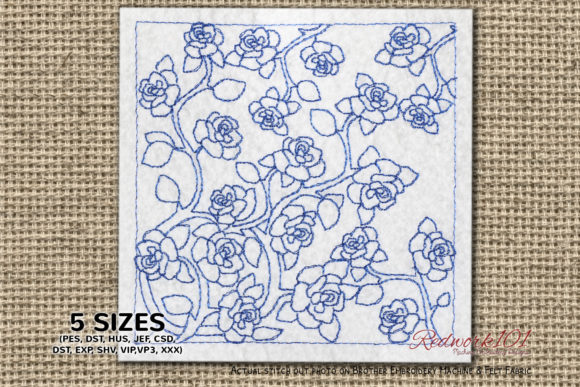
The immediate feel of the Blue Rose Flower Pattern leans toward a blend of classic elegance and friendly charm. The central blue rose is a standout—it’s not a typical floral choice, which adds a touch of uniqueness and modern personality. The optional “box stitch” frame mentioned in the description is a key feature. Since the outer box color can vary or be skipped entirely, this design offers remarkable flexibility. For a boutique, café, or creative studio, this means the pattern can be tailored to feel more rustic (with a contrasting frame) or more sleek and integrated (without it). It feels professional without being overly corporate, which is perfect for today’s handmade brands and local businesses.
Real-World Applications for Small Business Merchandise
This is where the Blue Rose Flower Pattern truly shines for small business merch. Its clear focal point and optional border make it adaptable across numerous products.
- Embroidered Patches: This is a prime candidate. The design has a defined central image, making it excellent for a standalone branded patch. It could be used on denim jackets, backpack straps, or as a product label sewn onto tote bags. The optional box could act as a literal border for the patch edge.
- Staff Uniforms & Aprons: As a chest logo or sleeve accent on work shirts or apron embroidery, the blue rose offers a recognizable, yet subtle, brand mark. For a florist or bakery, it’s thematically perfect.
- Cap Embroidery: The design’s likely moderate density and clear form should translate well to the curved, smaller space of a cap front, provided it’s tested at a reduced size.
- Tote Bag Design & Product Packaging: Embroidered directly onto a canvas tote or used as a small accent on a product tag, it elevates handmade products instantly, adding perceived value and visual consistency.
- Event Merch & Customer Gifts: For limited-run merchandise or thank-you gifts, this pattern feels special and decorative, strengthening customer engagement and brand loyalty.
Careful Considerations for Production Success
Every machine embroidery design has its nuances. For the Blue Rose Flower Pattern, success depends on mindful application.
- Scale & Size: Always test the design at your intended patch size. If using it as a small chest logo, ensure the rose’s details remain clear. Tiny, intricate elements might get lost.
- Thread Color Contrast: The “blue” is central, but consider your fabric. On dark uniforms or bags, you may need a brighter or lighter shade of blue for good visibility. The optional box’s different color can be used strategically for contrast.
- Stitch Density & Fabric: Evaluate the stitch density for the fabric texture. Heavy stitching on lightweight apparel might require careful stabilizer choice to prevent puckering.
- Curved Surfaces & Durability: For cap embroidery or items needing frequent washing, a clean test sew on the actual material is crucial. Check for any overly detailed outlines that might not withstand wear.
Impact on Brand Identity and Professionalism
Choosing an embroidery file like this isn't just about decoration; it’s a branding decision. The Blue Rose Flower Pattern can convey a sense of artistry and attention to detail. For a pet brand, creative studio, or handmade shop, it supports a handmade presentation that builds customer trust. Its uniqueness helps with brand recognition—a blue rose is memorable. It signals that your business values quality and aesthetic, which can directly increase product value. However, visual consistency is key. If you skip the box stitch on aprons but use it on patches, ensure that choice is deliberate and aligns with your overall brand look.
Practical Designer Notes Before You Hoop
Before running this digital embroidery file for commercial embroidery projects, follow these steps.
- Test in Monochrome First: Run a test, perhaps in black and white, to check the structure and spacing without color distractions. This reveals potential issues with density or overlapping elements.
- Confirm Hoop Size & Stabilizer: Match the design’s required hoop size to your product. A tote bag might need a larger hoop than a cap. Always use the proper stabilizer for your base fabric.
- Create a Printable Mockup: For client approval or your own planning, integrate the design into a printable mockup of the final product—a shirt, bag, or patch. This helps visualize the finished product.
- Compare with Other Design Assets: Place the embroidered sample beside your other branding elements (logos, fonts). Does the Blue Rose Flower Pattern complement them, or clash?
- Verify Commercial Licensing: Crucially, confirm the licensing terms of this specific design file before using it on merchandise for sale. Not all embroidery files come with automatic commercial rights.
Final Thoughts for Merch Creators
The Blue Rose Flower Pattern is a strong, versatile candidate for business use. Its elegance and customizable frame make it suitable for a wide range of custom apparel and branded items. Its success, however, hinges on practical testing and intentional application. For embroidery shops and merch creators serving local businesses, this pattern can be a valuable addition to your library of design assets, helping clients build a professional, cohesive, and visually appealing brand through the quality of embroidered patches, uniforms, and thoughtful merchandise.