A Cozy Circus: Reviewing the Clown Sitting in Train Embroidery Design
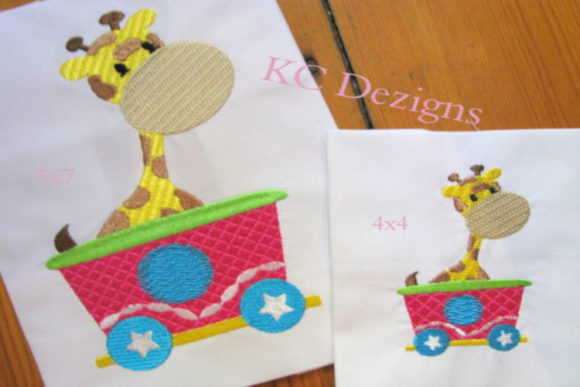
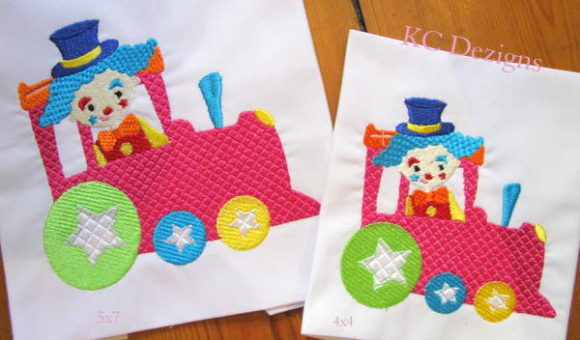
As someone who stitches for both personal joy and client projects, I look at every new embroidery file with a practical eye. It’s not just about whether it’s cute; it’s about whether it will stitch cleanly, resonate with an audience, and translate into a finished product that feels worth the time and materials. Today, I’m considering the Clown Sitting in Train design, a charming piece that immediately evokes a nostalgic, gentle circus feeling.
The First Impression: Whimsical Nostalgia Over Flashy Spectacle
The mood here is key. This isn’t a bold, scary clown; it’s a cozy one. The concept of a clown sitting in, presumably, a small train car suggests a storybook or vintage toy aesthetic. This subtle personality is a major strength. In a market saturated with loud graphics, this design offers a softer, more sentimental take on the circus theme. The layout appears centered and balanced, which is excellent for straightforward hooping and placement on a variety of products. The detail level seems moderate—enough to be interesting, but hopefully not so dense that it becomes a stitching challenge on thinner fabrics.
The Natural Project Fit: Where This Design Belongs
My mind immediately goes to gifts and decor. This isn’t a design I’d slap on a gym hoodie; it’s one I’d carefully stitch for a special purpose. It feels perfect for a child’s item—maybe the corner of a nursery blanket or delicately placed on a baby’s romper for a unique, handmade touch. It would be a lovely focal point on a pillow cover for a reading nook or a whimsical addition to a kitchen towel in a fun, family-oriented home. For my small shop products, I envision it on a high-quality tote bag or a classic apron, appealing to someone who loves a touch of gentle, vintage-inspired character in their everyday items. The quilting block mention in the description is also a great clue; it speaks to its usability in larger, composite handmade projects, which expands its potential for crafters.
Performance in Real-Life Embroidery Scenarios
Let’s talk application. On custom apparel like a soft cotton sweatshirt, this design could become a cherished, personalized gift. On a sturdy canvas tote, it would hold up well as daily decor. As an embroidered patch, it could be a fantastic standalone product for collectors or a cute repair detail. For Etsy sellers and creative entrepreneurs, this design offers versatility. It could anchor a holiday gift line—think “grandma’s quirky Christmas apron”—or serve as a consistent, recognizable element in a boutique’s brand if they lean into a nostalgic theme. In digital product previews and printable mockups, its clear shape and likely good contrast would show well to potential buyers.
Where to Exercise a Bit of Caution
Like any design, success depends on thoughtful application. The small, potentially curved lines of the train and clown details mean you’d want to avoid very small hoop sizes if the design is intricate, as stitch clarity could suffer. Textured fabrics like terry cloth or thick wool might obscure the finer elements. I’d be cautious on very stretchy fabric without excellent stabilizer, as distortion could warp that cute train shape. Dark fabric backgrounds would require a thorough review of suggested thread color contrast—light, bright colors would be essential here. And on curved surfaces like caps, the centered layout is good, but testing placement for visual balance over the curve is always a wise step.
For products needing frequent washing, like baby clothes or kitchen linens, using robust threads and ensuring the stitch density isn’t so high that it stiffens the fabric is crucial. A design that feels soft and flexible after stitching will always win over one that feels like a rigid plaque.
The Impact on Value, Trust, and Engagement
From a business and maker perspective, this matters. A well-executed Clown Sitting in Train on a finished product elevates its perceived value. Clean stitching with good thread coverage shows care and skill, building customer trust. Its unique, non-generic theme supports a handmade presentation—it feels like a story, not just a graphic. For brand consistency, a maker focusing on vintage, child-friendly, or whimsical goods could use this design across a product line beautifully. Its giftability is high because it evokes a specific, warm emotion. In a crowded craft fair table or Etsy search, a product featuring this design has a point of recognition that can boost buyer engagement.
Practical Designer Notes Before You Hoop
Always, always test the design on scrap fabric first. Use fabric similar to your final project material. This tells you everything: how the stitch density behaves, whether any small details like facial features get lost, and how the chosen thread colors pop (or don’t) against your background. Check it in both light and dark fabric mockups if you plan to offer products on various backgrounds. Using the proper stabilizer for your fabric is non-negotiable for preserving clarity.
Since the description emphasizes turning ideas into works of art and suitability for any project you can think of, it suggests broad usability. However, as a professional, I must advise: confirm the licensing before selling finished items or using the file in commercial embroidery projects. Not all digital files come with automatic commercial rights. It’s a simple check that protects your business. Also, verify the specific hoop size recommendations and compatible machine embroidery design file formats for your equipment. These details are the bridge between a lovely digital image and a successful physical stitched product.
In essence, the Clown Sitting in Train embroidery design is a promising asset. It carries a distinct mood that can translate into meaningful, sellable, and delightful finished products. Its success hinges not on hype, but on the thoughtful, skilled application we bring to it as makers. With a practical test and a clear vision for its final home—be it a gift, a shop item, or a personal quilt block—it has the potential to truly become a little magical work of art, precisely as intended.